

Know Before You Go
Unplug, gear up, and start preparing to experience the wonder of the wilderness!
Your Safety Is Your Responsibility
Maps & Supplies
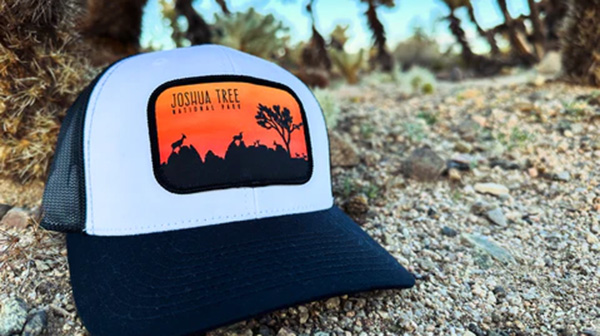
Get your Joshua Tree National Park merch at a visitor center or the park store, including hats, clothing layers, and more. (You can also shop merch online.)
There are no stores or restaurants inside the park.

Park Information
What are the conditions in Joshua Tree National Park today? Get the weather, a list of area closures, fire restriction information, and other important information.
Drinking Water
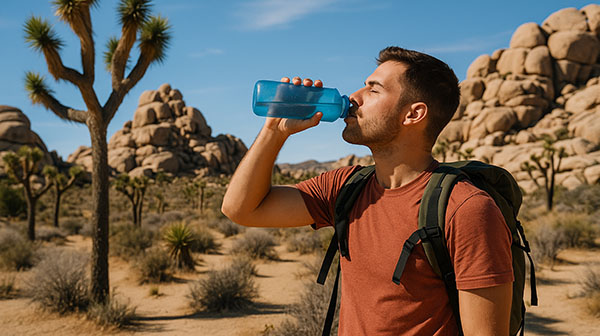
Bring the water you’ll need with you! Water is available for purchase at visitor centers.
The only potable water refill stations are at the Oasis of Mara Trailhead, West Entrance Station, Black Rock Campground, Cottonwood Campground, and Indian Cove Ranger Station.
Emergency Phones
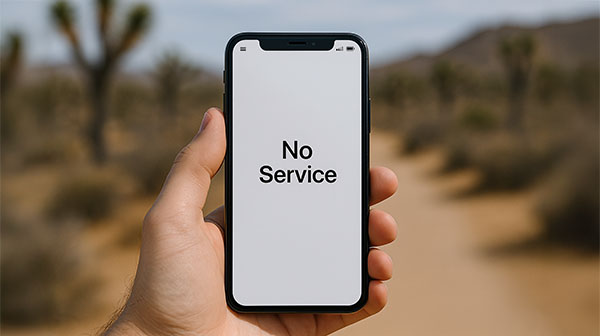
Emergency phones are located at Indian Cove Ranger Station, Intersection Rock parking lot, and Cottonwood Visitor Center.
Fuel
Always fill your tank before entering Joshua Tree National Park.
NPS App
Hike Smart Tips
Make a Plan: Before going into the park, research the area you’ll be in and make a plan. If you’re going alone, let someone know when you expect to be back. Consider leaving a note on the dash of your car with your name, emergency contact, and planned timeline at the trailhead.
Prepare for Weather Extremes: Stay indoors between 10:00 AM and 5:00 PM when it’s hot. Pack and dress for extreme heat, as well as for dramatic temperature changes overnight.
Reduce Your Risk of Heat Illness: Heat illness happens when your body temperature rises so rapidly that you can’t cool off. It is a potentially life-threatening medical emergency. Anyone can get heat illness, especially when you’re outside on a hot and/or humid day.
– Drink water when you’re thirsty, regardless of the weather conditions.
– Eat salty snacks to help keep you hydrated.
– Take regular breaks in the shade to help regulate your body temperature.
Reduce Your Risk of Injury: No one wants to get hurt on an adventure, but protecting yourself is particularly important in the park, as there is no cell service and few emergency phones.
– Avoid putting your hands or feet anywhere you can’t see.
– Do not approach, harass, or chase wildlife. Not only does this disturb the protected creatures of the park, it increases your risk of injury.
– In case of an emergency, call 911. There is no reliable cell service in the park, but 911 calls may still connect.
10 Essentials
Do You Have What It Takes?
- 1. Water: At least 2 gallons (7.5 liters) per person per day. You may need as much as half a gallon (about 2 liters) more on the trail.
- 2. Food: Focus on salty, high-calorie snacks. You may need up to twice as much food as usual when outdoors.
- 3. Clothing Layers: Protect yourself from the sun and temperature extremes with layered clothing.
- 4. Sun Protection: Bring a hat, sunscreen, and sunglasses to reduce the risk of sunburn and heat illness.
- 5. First-Aid Kit: Create a Joshua Tree-specific kit that includes tweezers for removing cactus spines and a spray bottle to cool down.
- 6. Sturdy Shoes: Wear closed-toe shoes that will be comfortable on variable terrain like sand and rocks.
- 7. Navigation: There is no cell service in the park. Bring a map, compass, and driving directions you can use offline.
- 8. Pocket Knife: You’ll only have access to your own tools. Bring a pocket knife or multi-tool.
- 9. Flashlight: There is no conventional lighting in the park. Bring a light and extra batteries.
- 10. Emergency Shelter: Reduce the risk of exposure with a tent or space blanket.